I did not arrive at ministry through one dramatic moment. God has shaped the call through people, places, questions, opportunities, and repeated invitations to trust Him with the next step.
My story in ministry has been less about arriving at a destination and more about learning to recognize God's leading. Each season has asked a different question: Will I listen? Will I go? Will I trust Him with what comes next?
Looking back, the path makes more sense than it did while I was walking it. Early faith formation, college, camp ministry, Hawaii, seminary, and local church leadership each became part of the same story.
This page is a living narrative. As photographs, journals, sermons, and ministry artifacts are recovered, the story will continue to become more specific and more complete.
The calling has been clarified through a series of seasons rather than a single event. These milestones provide the framework for the fuller stories below.
With two Adventist educators for parents, church, school, and Sabbath life all shared the same campus. Long before I understood ministry as a calling, faith and service were already being modeled for me.
At Georgia-Cumberland Academy, mentorship from Chaplain Joshua Woods and opportunities as a Resident Assistant and Student Associate Pastor helped me recognize pastoral ministry as a full-time calling.
Theology classrooms, ministry leadership, preaching, summers at Cohutta Springs Youth Camp, and relationships at Southern helped move faith from something inherited toward something personally lived and practiced.
A year serving at Aiea Seventh-day Adventist Church moved ministry from preparation into lived responsibility and gave me a place I still return to when I need to remember why God called me.
Formal undergraduate preparation became a launching point rather than an ending.
Seminary deepened the biblical, theological, pastoral, and leadership foundations that ministry would continue to test and refine.
Preaching, discipleship, evangelism, administration, pastoral care, schools, and leadership have converged into the everyday work of serving a local church community.
Adventism was no stranger to me growing up. As the son of two Adventist educators, I was on our church and school campus from 7:00 in the morning until 4:00 or 5:00 in the afternoon nearly every weekday. And, you guessed it, we were back on campus again Sabbath morning. But that rhythm of life became part of my formation. Through my family, my church, and Adventist Christian education, I saw faith and service modeled long before I understood them as a calling of my own. God was already setting the scene long before I sensed a call to pastoral ministry.
Long before ministry became a role, faith and service were already the rhythm of home.



It was during my senior year at Georgia-Cumberland Academy that God began to make His calling clear. Through the mentorship of Chaplain Joshua Woods, serving as a Resident Assistant in the dorm, and serving as Student Associate Pastor, I was given opportunities to lead, preach, and care for others. In that season, I began to recognize pastoral ministry not simply as something I enjoyed, but as the full-time calling God was inviting me to pursue.
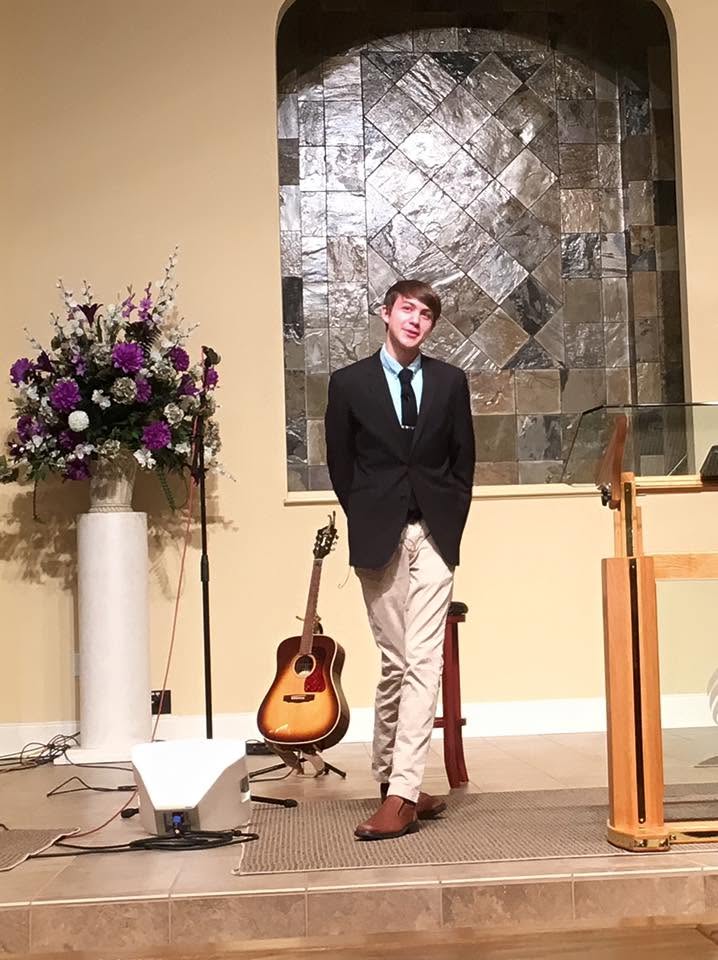
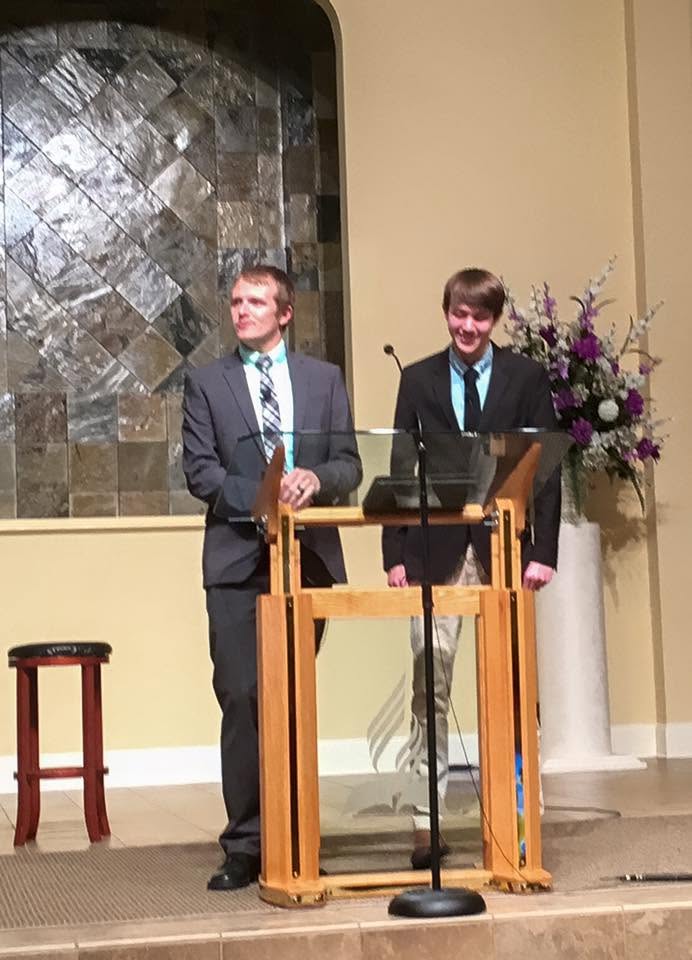
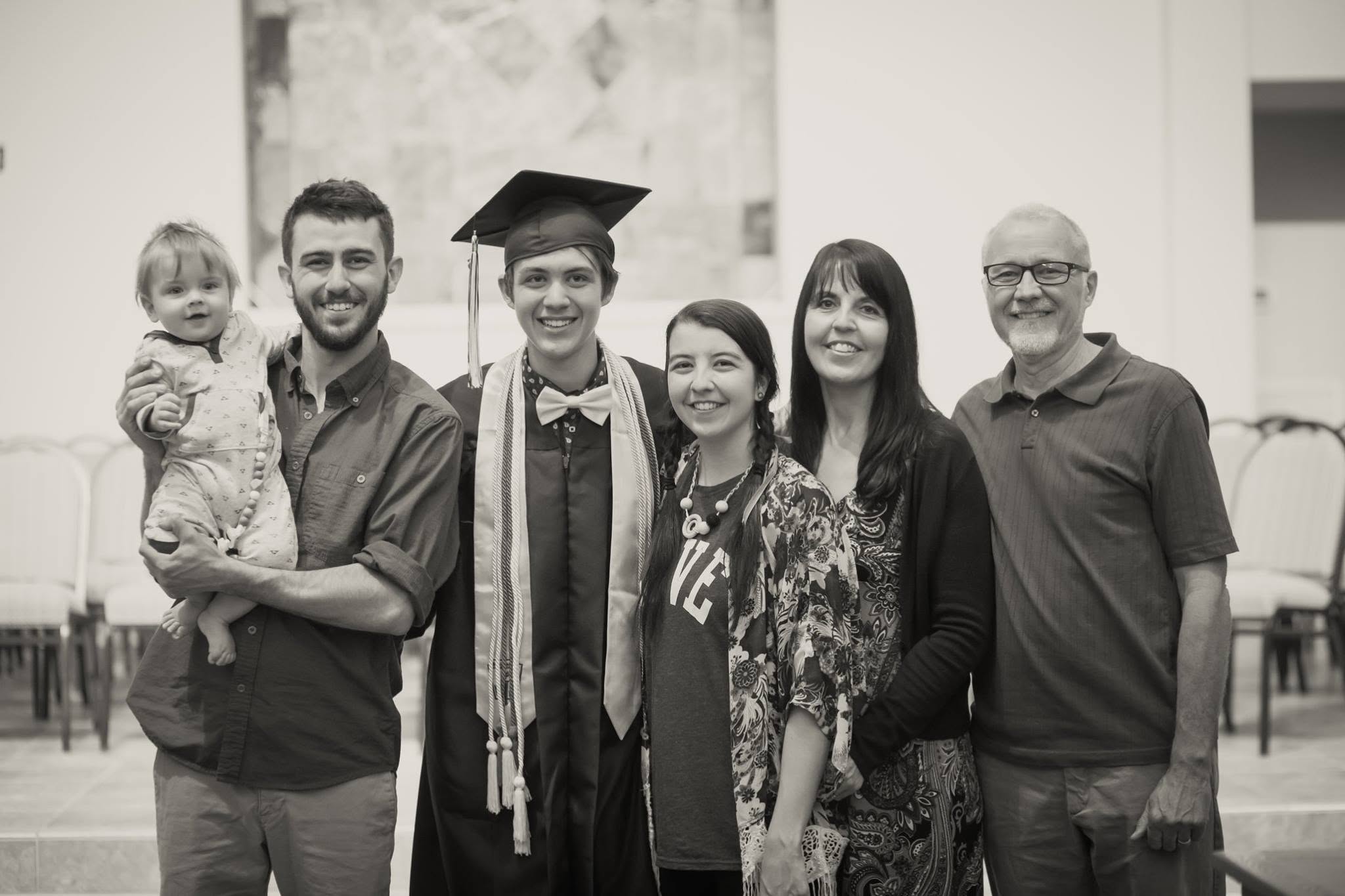
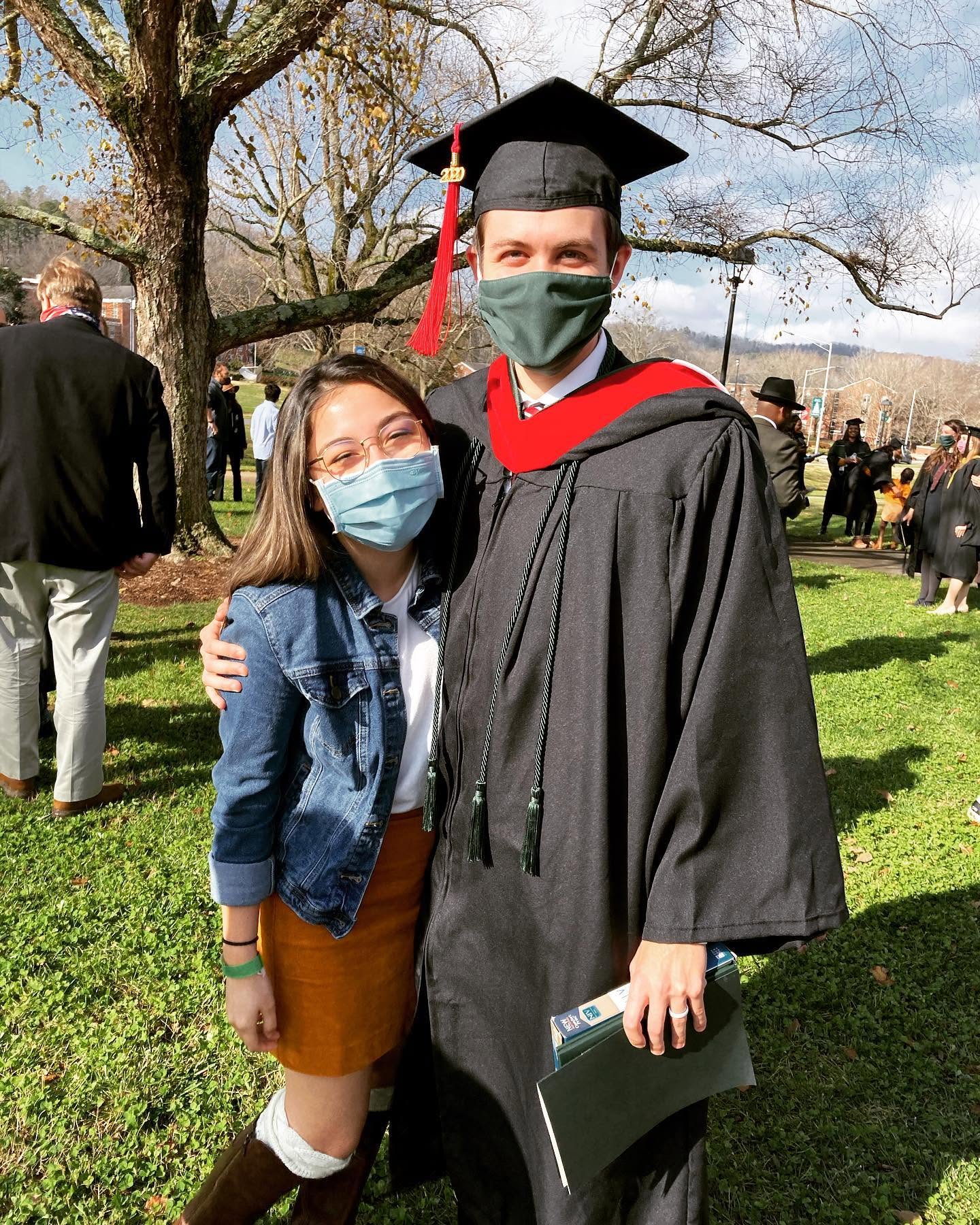
At Southern Adventist University, the calling I had begun to sense in high school was tested, deepened, and made personal. Through theology classes, opportunities to preach and lead, and summers serving at Cohutta Springs Youth Camp, I found myself encountering Jesus through leadership. Faith was becoming more than something I had inherited or a profession I was preparing for—it was becoming the foundation from which I wanted to live and serve.
Some of the most formative moments happened outside the classroom. At Cohutta, I sat with teenagers wrestling with real questions about life, identity, pain, and faith. Those conversations taught me that ministry begins with listening and presence, not simply having the right answer. In the classroom, meanwhile, I was being given the biblical and theological tools that would help me understand Scripture more deeply and communicate it more faithfully.
Southern also shaped my life in another lasting way: it was there that I met Nicole, who would eventually become my wife and partner in ministry. By the time I graduated, Southern had given me far more than a theology degree. It had given me a place to wrestle with my own faith, practice ministry, build relationships, and continue discovering the kind of pastor God was calling me to become.
I found Jesus through leadership—serving people whose questions required more than a textbook answer.


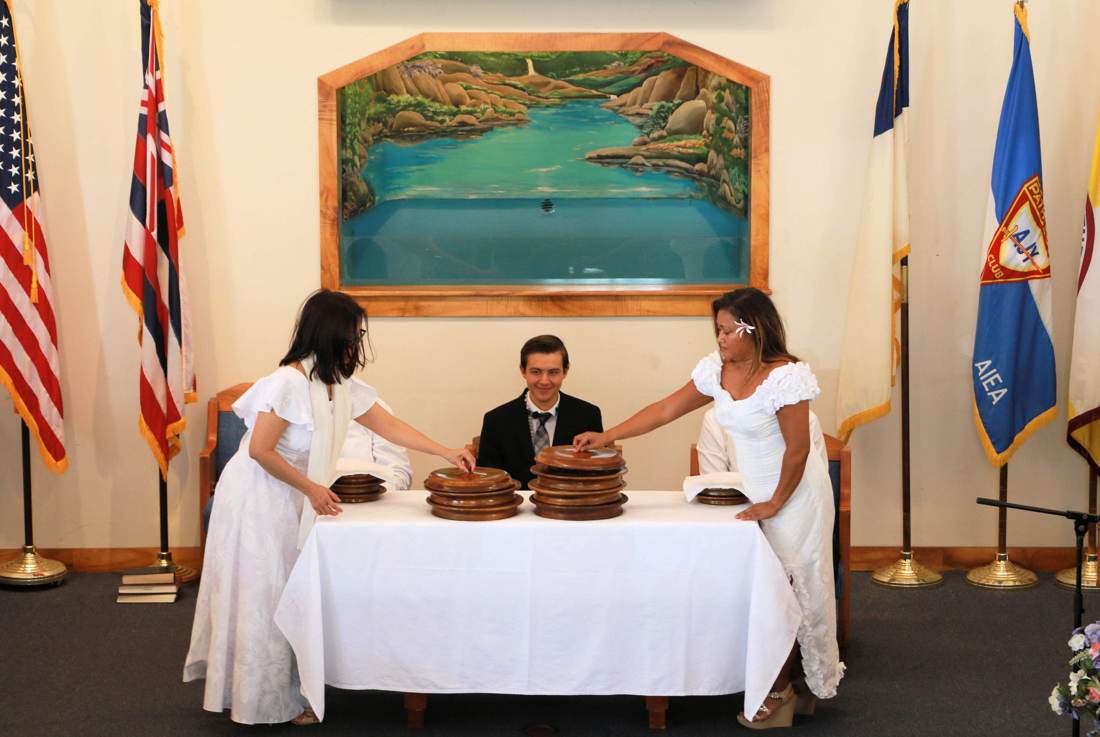
During my time at Southern, God opened the door for a ministry experience that would shape the future of my calling. After much prayer, I accepted an internship with the Hawaii Conference and served as youth pastor at Aiea Seventh-day Adventist Church. Under the mentorship of Pastor James Mangum, I gained hands-on pastoral experience through Bible studies, prison ministry, funeral services, public evangelism, and church leadership. When Pastor James accepted another call, I served as interim senior pastor for approximately three months, leading responsibilities such as my first communion service while continuing Bible studies and ministry leadership. During that season, our young adult ministry grew from 3 to 15, I was studying the Bible with 16 individuals, and I eventually had the privilege of baptizing 7 of them. Hawaii became a defining season in my life—one that grounded my calling and continues to remind me that God truly called me to pastoral ministry.
When ministry gets difficult, I still look back to Hawaii. It reminds me that I am exactly where God has called me to be.


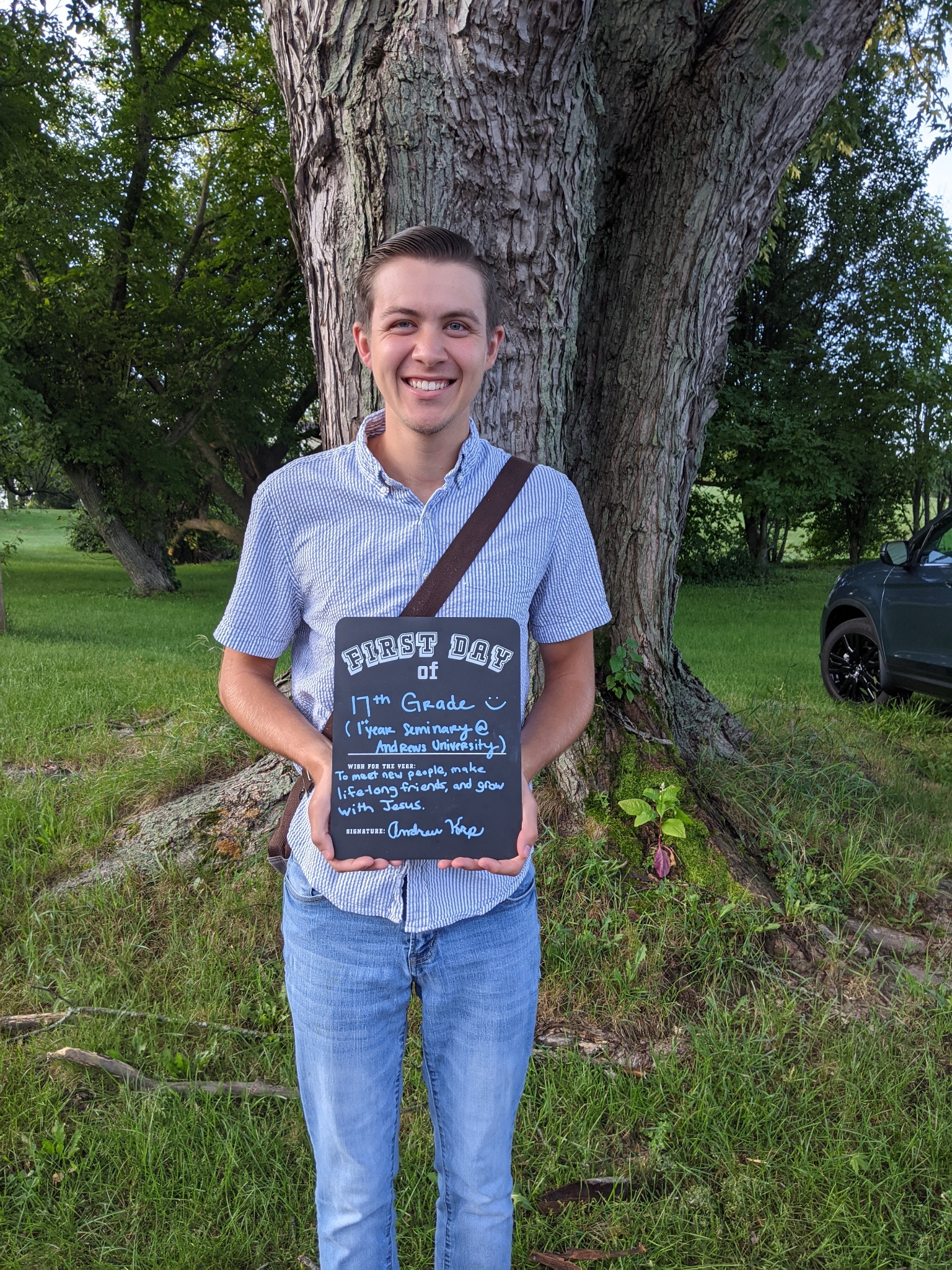
Shortly after Nicole and I were married, we packed our bags and moved to Berrien Springs so I could begin seminary at Andrews University. It was a major transition in our lives and a season that deepened both my theology and my understanding of pastoral ministry.
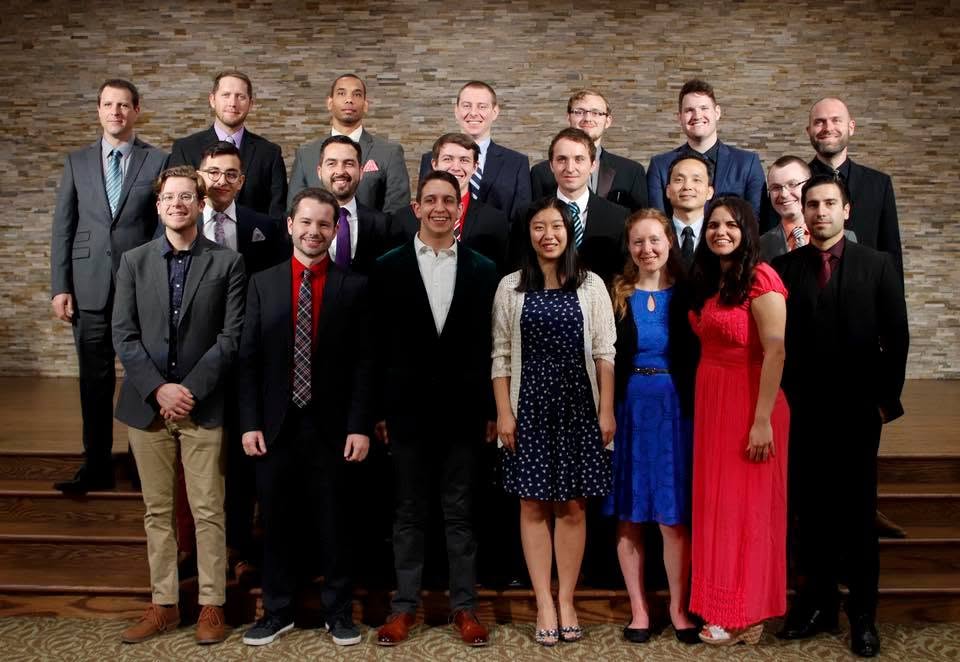
The classroom experience gave me stronger biblical and theological tools that continue to shape the way I preach, teach, and lead. But some of the most lasting formation happened through the relationships I built with other pastors. We learned together, wrestled with ministry together, and became a community that extended far beyond graduation.
Many of those friendships still shape my ministry today. They are pastors I continue to call for prayer, perspective, encouragement, and honest conversation. Seminary taught me a great deal about theology, but it also taught me that ministry was never meant to be carried alone.
Some of the most important resources I left seminary with were not books on a shelf, but friendships that still strengthen my ministry today.


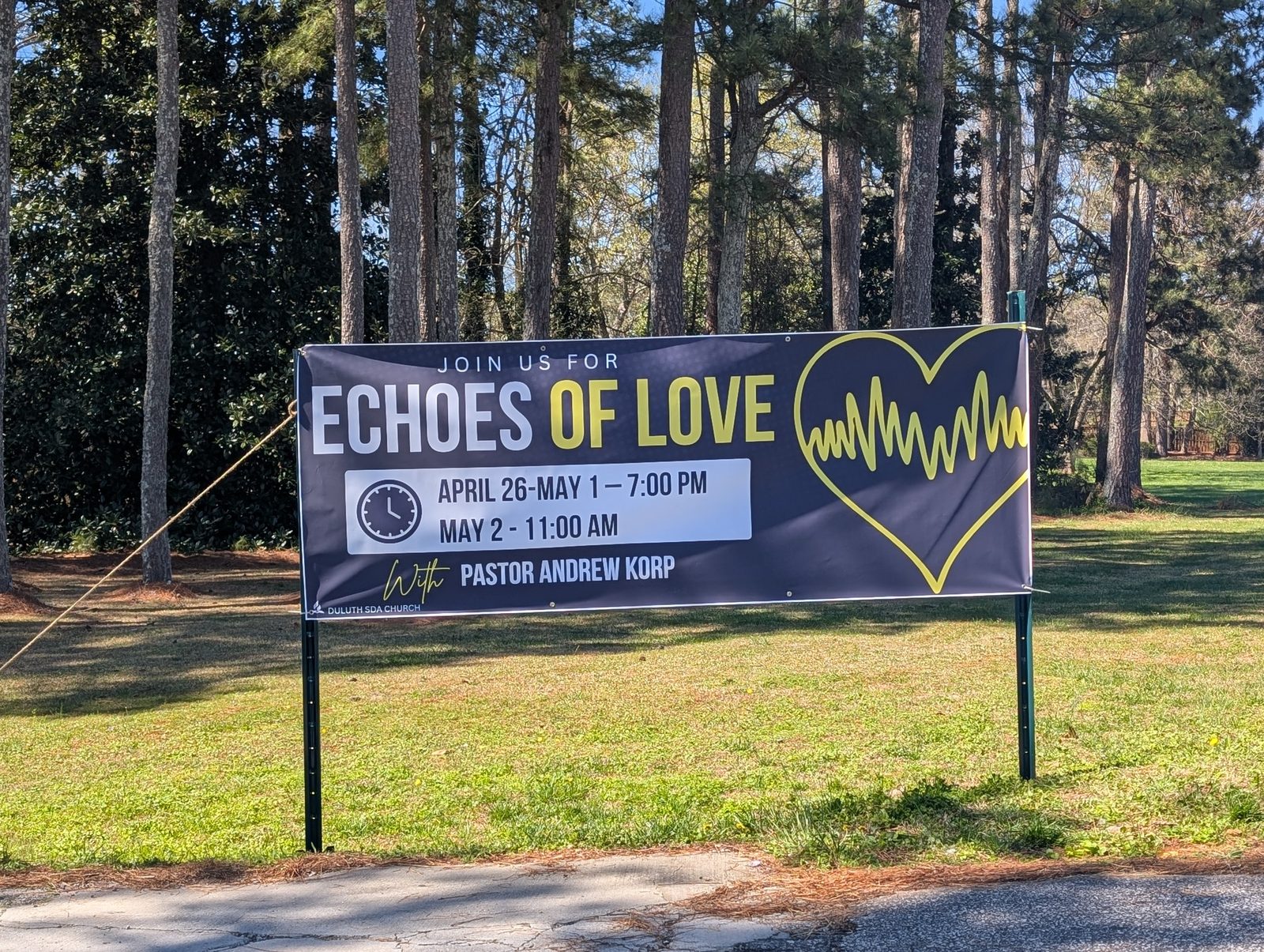
After seminary, Duluth became the place where so much of what I had been learning had to become lived ministry. Preaching, Bible studies, evangelism, baptisms, pastoral care, schools, administration, discipleship, and leadership were no longer categories in a classroom—they were people, decisions, conversations, and responsibilities woven into the life of one local church.
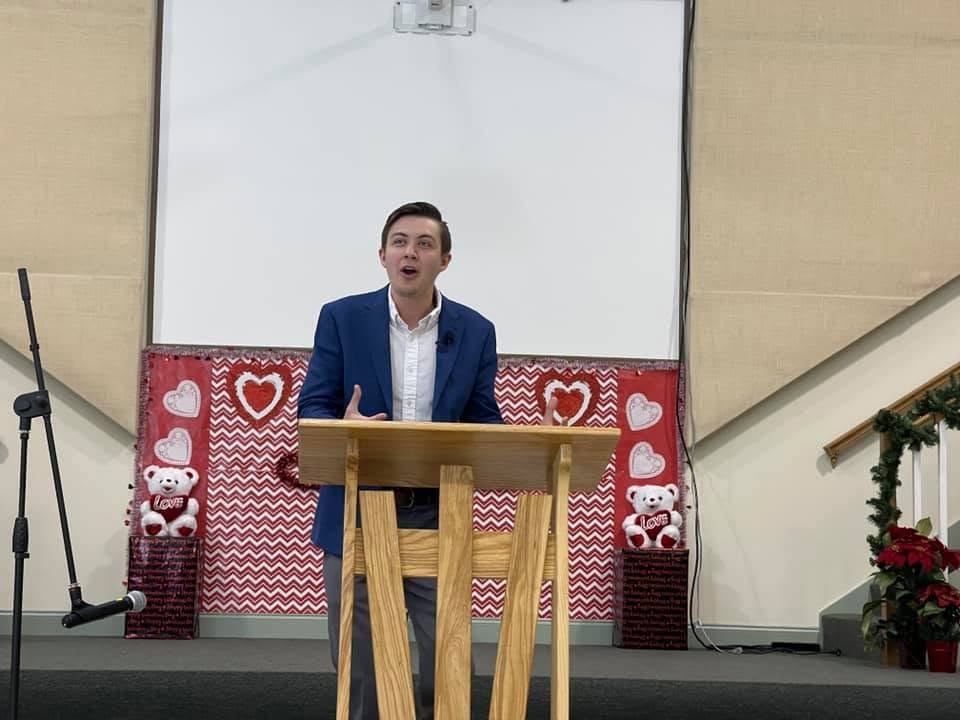
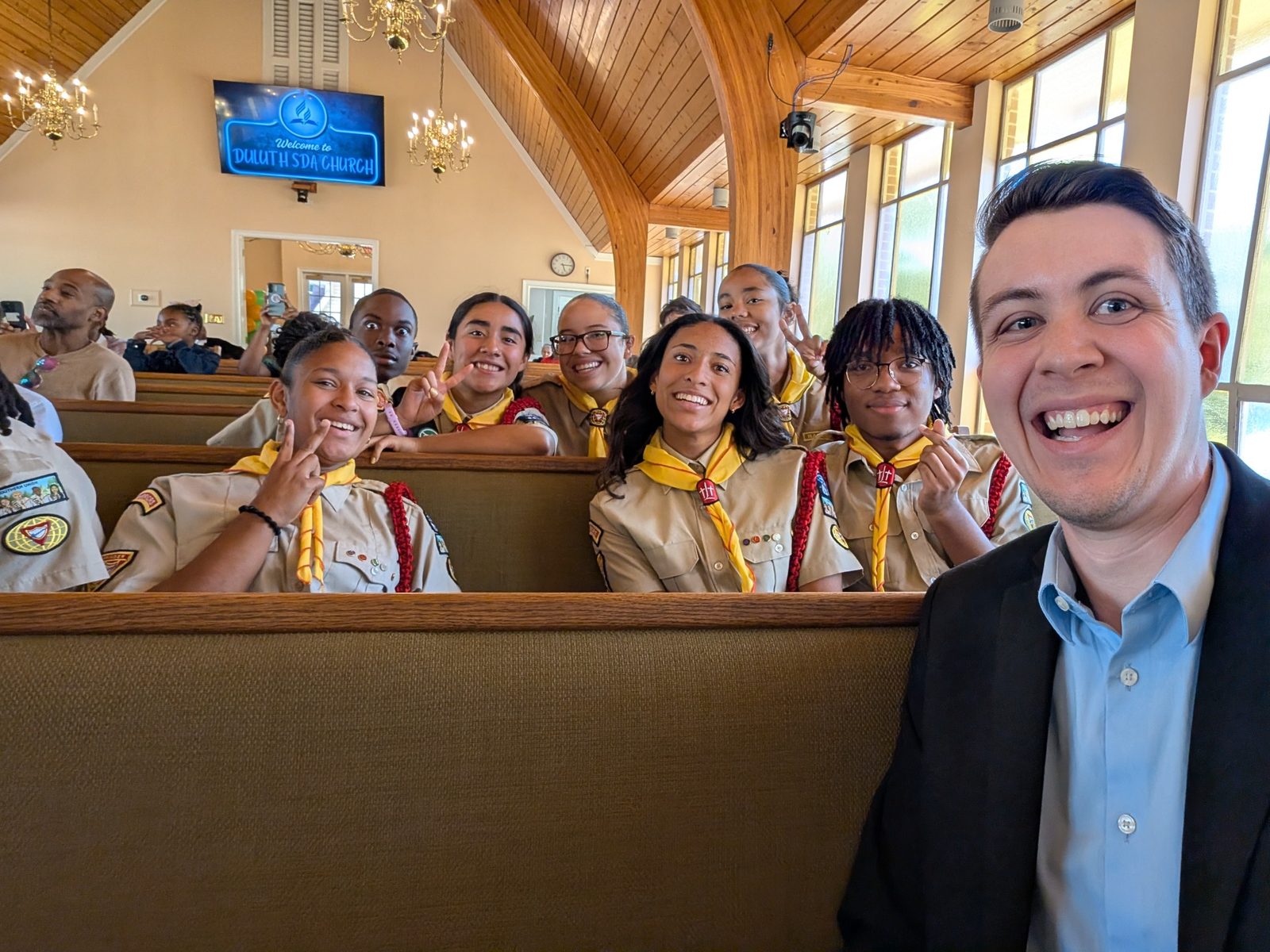
I began serving at Duluth as an associate pastor, learning the church and community through relationships. Over time, I was entrusted with greater responsibility and eventually called to serve as senior pastor. That transition has continued to reshape how I understand leadership. Pastoral ministry is not simply about preaching a sermon or making a decision; it is about helping create an environment where people can encounter Jesus, belong to one another, grow as disciples, and discover their place in God's mission.
Some of the moments I treasure most are the ones where those pieces come together: watching people step into baptism, seeing students respond to the gospel, creating spaces where relationships deepen, and working with leaders to move a church from ideas to action. Duluth continues to teach me that faithfulness is both deeply spiritual and deeply practical.
The local church is where calling becomes ordinary faithfulness—one sermon, one conversation, one decision, one person at a time.


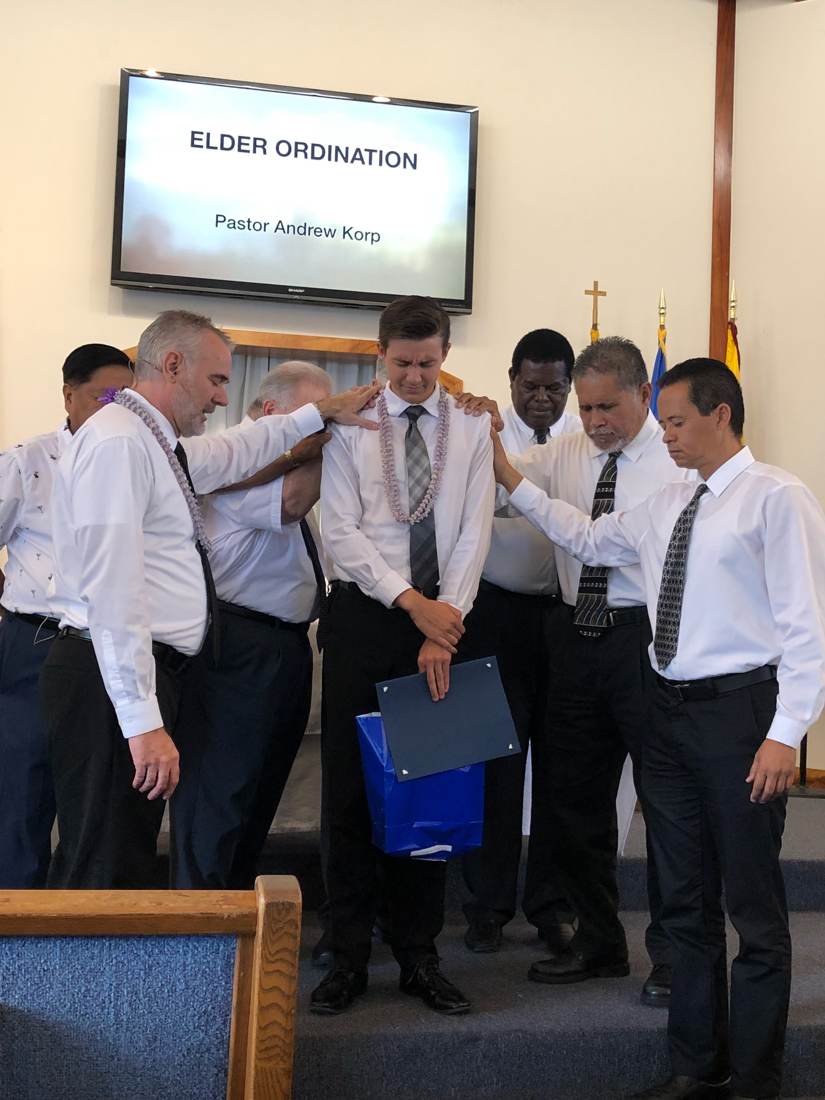
Ordination is an important milestone, but it is not the finish line of pastoral formation. I want this portfolio to show both what God has already done and the ways He is still shaping me.
My prayer is that the years ahead continue to deepen the same calling that began much earlier: to create an atmosphere of intentional discipleship and strong fellowship for believers in the grace and freedom found only in Jesus.
Explore the core qualities →